
Psoriasis Treatment in Ayurveda
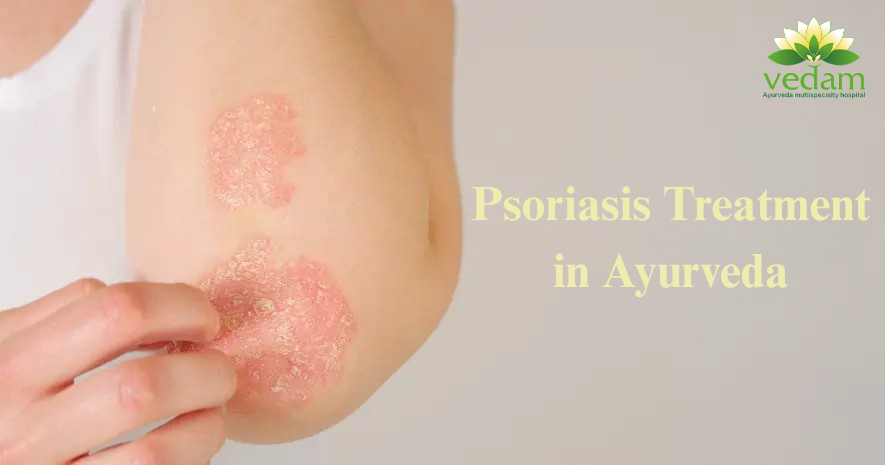
Table of Contents
What is Psoriasis?
Psoriasis is a chronic immune-mediated inflammatory skin disease in which the body’s immune system mistakenly accelerates the life cycle of skin cells. Under normal circumstances, skin cells mature and naturally shed approximately every 28 days. In people with psoriasis, this process speeds up dramatically, causing new skin cells to accumulate on the surface within just a few days.
As these excess skin cells build up, they form thick, raised, red patches covered with silvery-white scales, commonly known as psoriatic plaques. These patches may appear anywhere on the body but are most frequently seen on the elbows, knees, scalp, lower back, hands, and feet. Depending on the severity of the condition, patients may also experience itching, burning, dryness, skin cracking, and occasional bleeding.
One of the biggest misconceptions about psoriasis is that it is contagious. In reality, psoriasis cannot spread from one person to another through touch, shared clothing, or physical contact.
Although psoriasis mainly affects the skin, medical research now recognises it as a systemic inflammatory disease. In some people, the inflammation may also affect the joints, leading to psoriatic arthritis, while others may have an increased risk of developing conditions such as obesity, diabetes, metabolic syndrome, and cardiovascular disease. Understanding the condition is the first step toward choosing the right psoriasis treatment in Ayurveda or other suitable medical management options.
How Does Psoriasis Develop?
Psoriasis develops due to a complex interaction between genetic predisposition, immune system dysfunction, and environmental triggers. While researchers continue to study its exact cause, it is now widely understood that psoriasis is an immune-mediated disease rather than a simple skin disorder.
In healthy skin, the immune system protects the body against infections. However, in people with psoriasis, certain immune cells become overactive and release inflammatory proteins known as cytokines. These cytokines stimulate skin cells (keratinocytes) to multiply much faster than normal.
As a result:
- Skin cells accumulate rapidly on the skin’s surface.
- Thick red plaques covered with silvery scales begin to form.
- Persistent inflammation causes redness, irritation, and itching.
- The skin barrier becomes weaker, increasing dryness and the likelihood of cracks or bleeding.
Although genetics play a major role, psoriasis often develops or worsens after exposure to specific triggers, including:
- Emotional stress and anxiety
- Bacterial or viral infections
- Skin injuries such as cuts, burns, or insect bites
- Certain medications
- Smoking and excessive alcohol consumption
- Obesity and metabolic disorders
- Cold or dry weather
- Lack of sleep and unhealthy lifestyle habits
Since triggers vary from person to person, identifying and managing them is an important part of both conventional care and natural psoriasis treatment approaches that focus on long-term skin health.
How Does Ayurveda Understand Psoriasis?
Ayurveda approaches psoriasis from a holistic perspective by considering it a manifestation of internal imbalance rather than merely a skin disease. According to classical Ayurvedic texts, conditions resembling psoriasis are described under Kitibha Kushta and Eka Kushta, both of which are associated with disturbances in the body’s natural balance.
Ayurveda believes that healthy skin reflects healthy digestion, balanced doshas, proper tissue nourishment, and efficient elimination of waste. When these systems become disturbed, skin disorders may develop over time.
Several Ayurvedic factors are believed to contribute to psoriasis-like conditions:
- Imbalance of Vata and Kapha doshas
- Weak digestive fire (Mandagni)
- Accumulation of metabolic toxins (Ama)
- Disturbances in Rasa, Rakta, and Mamsa Dhatus
- Blockage of body channels (Srotas)
- Improper food combinations (Viruddha Ahara)
- Irregular lifestyle habits
- Chronic psychological stress
Instead of focusing only on the visible plaques, Ayurvedic physicians assess the patient’s Prakriti (body constitution), digestive strength, lifestyle, dietary habits, stress levels, and overall health before designing an individualised treatment plan.
Depending on the patient’s condition, an Ayurvedic treatment for psoriasis may include:
- Personalised Ayurvedic herbal medicines
- Panchakarma detoxification therapies (when appropriate)
- External Ayurvedic therapies
- Individualised dietary guidance
- Lifestyle modifications
- Yoga and stress management techniques
The primary objective of psoriasis Ayurvedic treatment is to restore internal balance, support healthy skin, improve digestion, and promote long-term wellness rather than focusing only on visible symptoms.
Why Are More People Exploring Ayurveda for Psoriasis?
Living with psoriasis can be physically uncomfortable and emotionally exhausting. Since the condition often follows a cycle of flare-ups and remission, many people seek treatment approaches that focus on improving overall health rather than managing skin symptoms alone.
This growing interest has led many patients to explore Ayurvedic treatment for psoriasis as part of their long-term management plan. Unlike treatments that primarily address skin lesions, Ayurveda focuses on improving digestion, balancing doshas, supporting immunity, and encouraging healthy lifestyle habits that may contribute to better overall well-being.
Some of the reasons people choose Ayurvedic care include:
- A personalised treatment approach based on individual health assessment
- Greater emphasis on diet and lifestyle modifications
- Support for digestive health and overall wellness
- Traditional Panchakarma therapies when clinically appropriate
- Stress management through yoga, meditation, and daily routine
- A holistic approach that considers both physical and emotional well-being
Many individuals also prefer Ayurveda because it offers a natural psoriasis treatment approach that combines herbal medicines, dietary guidance, and lifestyle modifications tailored to each person’s health condition.
It is important to remember that Ayurvedic treatment should always be undertaken under the guidance of a qualified Ayurvedic physician. Patients should never stop prescribed medications or make significant treatment changes without consulting their healthcare provider.
Is Psoriasis Curable?
One of the most frequently asked questions is whether psoriasis can be cured permanently.
According to modern medicine, psoriasis is considered a chronic condition characterised by periods of remission and flare-ups. Current treatments are designed to reduce inflammation, control symptoms, improve skin appearance, and enhance quality of life rather than provide a permanent cure.
Similarly, psoriasis treatment in Ayurveda focuses on long-term management rather than promising an instant cure. Ayurveda recognises psoriasis-like disorders as chronic conditions that require personalised care, sustained lifestyle improvements, and regular follow-up. Instead of aiming for temporary symptom relief alone, Ayurvedic treatment for psoriasis focuses on restoring dosha balance, improving digestion, reducing Ama, supporting healthy skin tissues, and encouraging sustainable lifestyle changes.
Because every patient is different, treatment outcomes vary depending on several factors, including the type of psoriasis, disease duration, overall health, adherence to treatment, and lifestyle practices. With consistent medical guidance and an individualised psoriasis Ayurvedic treatment plan, many people experience better symptom control, longer periods of remission, and an improved quality of life.