Why You Need Ayurvedic Treatment for Eczema Skin Problem
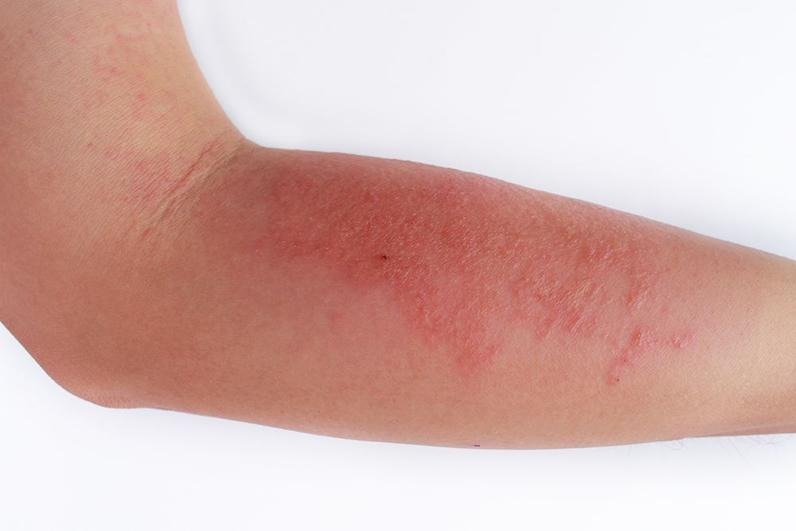
Table of Contents
- What Is Eczema?
- What Causes Eczema?
- Ayurvedic Perspective on Eczema
- Common Symptoms of Eczema
- Different Types of Eczema
- Why Does Eczema Keep Coming Back?
- Why Choose Ayurvedic Treatment for Eczema?
- Benefits of the Ayurvedic approach
- How Does Ayurvedic Treatment for Eczema Work?
- Panchakarma Therapies for Eczema
- Best Ayurvedic Herbs Traditionally Used for Eczema
- Eczema Diet in Ayurveda
- Lifestyle Tips to Manage Eczema Naturally
- What Does Scientific Research Say About Ayurveda for Eczema?
- Who Can Benefit from Ayurvedic Eczema Treatment?
- Why Choose Vedam Ayurveda for Eczema Treatment in Bangalore?
- Why patients choose Vedam Ayurveda
- Conclusion
- Frequently Asked Questions (FAQs)
Eczema is more than a temporary skin irritation it is a chronic inflammatory skin condition that can cause persistent itching, redness, dryness, and recurring flare-ups. Millions of people worldwide live with eczema, and many struggle to find long-term relief despite using moisturisers and topical medications.
Ayurvedic treatment for eczema takes a holistic approach by addressing not only the visible skin symptoms but also digestion, lifestyle, stress, immunity, and body constitution (Prakriti). Instead of following a one-size-fits-all method, Ayurveda creates personalised treatment plans that aim to support healthier skin and improve overall well-being naturally.
Disclaimer: This article is for educational purposes only. Eczema requires proper medical evaluation, and treatment should always be guided by a qualified healthcare professional.
What Is Eczema?
Eczema is a chronic inflammatory skin disorder that weakens the skin’s protective barrier, making it more sensitive to allergens, irritants, and environmental changes. The most common form is Atopic Dermatitis, although several other types of eczema affect different parts of the body.
People with eczema commonly experience:
- Persistent itching
- Dry, rough skin
- Red or inflamed patches
- Cracked or peeling skin
- Oozing or crusting during flare-ups
- Thickened skin due to repeated scratching
Unlike contagious skin infections, eczema cannot spread through touch. It is influenced by genetics, immune function, environmental triggers, and lifestyle factors.
What Causes Eczema?
Eczema develops through a combination of genetic, immune, and environmental factors rather than a single cause.
Modern medical perspective
Common factors include:
- Family history of eczema, asthma, or allergies
- Weak skin barrier function
- Immune system overactivity
- Environmental allergens
- Dry or cold weather
- Stress and poor sleep
- Chemical irritants and harsh soaps
Ayurvedic Perspective on Eczema
According to Ayurveda, eczema is like skin disorders are often associated with:
- Vata imbalance: Excessive dryness and cracked skin
- Pitta imbalance: Redness, inflammation, and burning sensation
- Kapha imbalance: Oozing, swelling, and thickened lesions
- Weak digestive fire (Agni)
- Accumulation of metabolic toxins (Ama)
- Disturbance of Rakta Dhatu (blood tissue)
Ayurveda considers healthy skin to be closely connected with digestion, metabolism, and overall internal balance.
Common Symptoms of Eczema
Eczema symptoms vary depending on age, severity, and the type of eczema. Some people experience occasional flare-ups, while others have persistent symptoms throughout the year.
- Dry & flaky skin
- One of the earliest and most common signs of eczema.
- Redness & inflammation
- Often worsens during active flare-ups.
- Persistent itching
- May become more severe at night or during stress.
- Cracked or thickened skin
- Repeated scratching may cause skin thickening over time.
If symptoms persist for several weeks or continue to recur, professional evaluation is recommended rather than relying on self-treatment alone.
Different Types of Eczema
- Atopic Dermatitis : The most common form of eczema, often beginning in childhood. It causes intense itching, dry skin, and recurring inflammatory flare-ups.
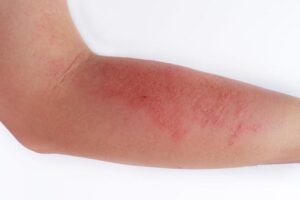
- Contact Dermatitis : Develops after exposure to allergens or irritants such as soaps, detergents, metals, cosmetics, or chemicals.
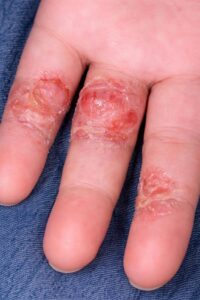
- Dyshidrotic Eczema : Characterised by small, itchy blisters on the fingers, palms, and soles of the feet.
- Nummular Eczema : Appears as coin-shaped patches of irritated, itchy skin and is commonly associated with dry skin.
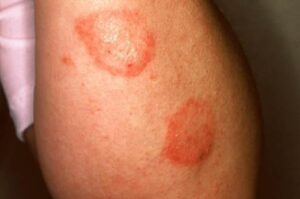
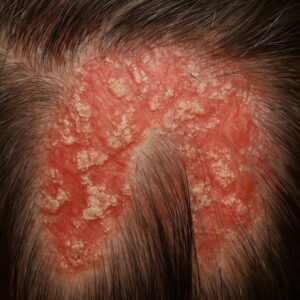
- Seborrheic Dermatitis : Affects oily areas such as the scalp, eyebrows, and face, causing flaking and inflammation.
- Stasis Dermatitis : Usually develops in the lower legs due to poor circulation and chronic venous insufficiency.
Each type requires proper diagnosis because treatment strategies differ depending on the underlying cause and symptoms.
Why Does Eczema Keep Coming Back?
Many patients wonder why eczema improves for a while and then suddenly returns. The answer often lies in triggers rather than the disease itself.
Common eczema triggers include:
- Emotional stress
- Poor sleep
- Dust and pollen allergies
- Certain foods (individual sensitivity)
- Harsh skincare products
- Weather changes
- Excess sweating
- Dry indoor air
Ayurveda believes recurring flare-ups may also be influenced by impaired digestion, dosha imbalance, and lifestyle factors. Identifying personal triggers is an important part of long-term eczema management.
Why Choose Ayurvedic Treatment for Eczema?
Many people explore natural treatment for eczema because they want a more comprehensive approach that considers overall health rather than only temporary symptom relief.
Benefits of the Ayurvedic approach
- Personalised treatment based on body constitution
- Focus on the root cause rather than symptoms alone
- Herbal medicines prescribed individually
- Panchakarma therapies when clinically appropriate
- Dietary counselling
- Lifestyle and stress management
- Holistic support for long-term skin wellness
Ayurveda does not recommend the same treatment for every patient. Instead, each treatment plan is customised after a detailed consultation.
How Does Ayurvedic Treatment for Eczema Work?

A structured Ayurvedic consultation generally follows these stages:
Step 1: Comprehensive Consultation
The physician evaluates:
- Medical history
- Family history
- Previous treatments
- Lifestyle habits
- Stress levels
- Sleep quality
- Dietary patterns
Step 2: Ayurvedic Assessment
Traditional assessment includes:
- Prakriti (body constitution)
- Dosha imbalance
- Digestive strength (Agni)
- Presence of Ama
- Skin characteristics
Step 3: Personalised Treatment Plan
Depending on the patient’s condition, treatment may include:
- Herbal medicines
- External therapies
- Panchakarma procedures
- Diet modifications
- Lifestyle guidance
- Follow-up consultations
Panchakarma Therapies for Eczema
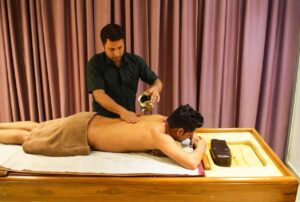
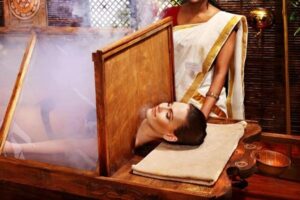
Panchakarma is a classical Ayurvedic purification approach recommended only after physician evaluation. Not every eczema patient requires these therapies.
Commonly used procedures may include:
- Therapy: Purpose in Ayurveda
- Virechana: Supports Pitta balance and skin health
- Basti: Helps balance aggravated Vata
- Abhyanga: Nourishes dry skin and promotes relaxation
- Swedana: Herbal steam therapy supporting circulation|
- Lepam: Herbal paste application for affected skin
These therapies should always be performed under qualified Ayurvedic supervision.
Best Ayurvedic Herbs Traditionally Used for Eczema
Several herbs are traditionally used in Ayurveda to support skin health. The selection depends on the individual’s condition rather than a universal prescription.
- Neem (Nimba): Traditionally valued for supporting healthy skin.
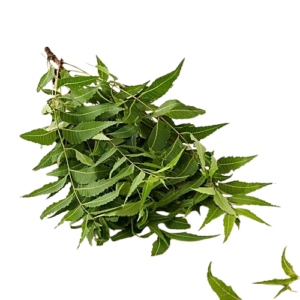
- Manjistha: Used in classical Ayurveda for blood purification support.
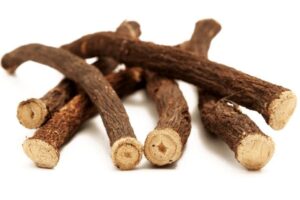
- Guduchi: Traditionally associated with immune and metabolic balance.

- Haridra (Turmeric): Widely used in Ayurvedic formulations for inflammatory conditions.
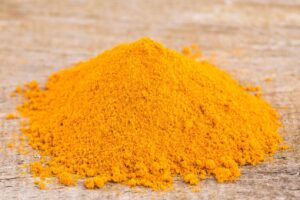
Important: Herbal medicines should never be self-prescribed. A qualified Ayurvedic physician determines the appropriate formulation and dosage.
Eczema Diet in Ayurveda
Diet plays an important role in supporting digestion, immunity, and overall skin health.
Foods commonly encouraged
- Fresh seasonal vegetables
- Whole grains
- Easily digestible meals
- Fresh fruits
- Warm water
- Moderate healthy fats
- Home-cooked food
Foods that may require limitation
- Highly processed foods
- Excess sugar
- Deep-fried foods
- Alcohol
- Artificial additives
- Individual food triggers
Ayurveda emphasises personalised dietary guidance rather than restrictive universal diets.
Lifestyle Tips to Manage Eczema Naturally
Healthy daily habits can complement medical treatment and help reduce recurring flare-ups.
- Prioritise Sleep
A consistent sleep schedule supports overall immune health.
- Manage Stress
Meditation, yoga, and breathing exercises may help reduce flare triggers.
- Stay Active
Regular movement supports circulation and general wellbeing.
- Protect the Skin Barrier
Moisturise regularly and avoid harsh soaps or excessive scratching.
What Does Scientific Research Say About Ayurveda for Eczema?
Interest in Ayurvedic approaches for eczema has grown in recent years. Published case reports and small clinical studies have explored the role of herbal medicines, Panchakarma, diet, and lifestyle interventions in improving symptoms and quality of life.
Current evidence suggests:
- Some patients report reduced itching and inflammation.
- Quality-of-life improvements have been observed in small studies.
- Lifestyle and dietary modifications may complement treatment.
- Larger, high-quality clinical trials are still needed.
Ayurveda should be viewed as a complementary, evidence-informed healthcare approach rather than a guaranteed cure.
Who Can Benefit from Ayurvedic Eczema Treatment?
Ayurvedic care may be considered by individuals who:
- Experience recurrent eczema flare-ups
- Have chronic dry and itchy skin
- Want personalised dietary guidance
- Need stress-related skin management
- Are interested in holistic skin wellness
- Seek long-term lifestyle support
Children, adults, and older individuals should always be assessed individually before treatment recommendations are made.
Why Choose Vedam Ayurveda for Eczema Treatment in Bangalore?
For patients looking for eczema treatment in Bangalore, choosing an experienced Ayurvedic hospital is essential for personalised and holistic care.
Why patients choose Vedam Ayurveda
- Experienced Ayurvedic doctors
- Personalised treatment plans
- Authentic Panchakarma therapies
- Individual diet and lifestyle counselling
- Regular follow-up consultations
- Holistic approach to chronic skin conditions
Located in Bangalore, Vedam Ayurveda provides comprehensive consultations for patients seeking Ayurvedic treatment for eczema from India and across the world through personalised treatment planning.
Conclusion
Eczema is a chronic skin condition that often requires more than temporary symptom relief. Ayurvedic treatment for eczema offers a personalised, holistic approach by combining herbal medicines, Panchakarma therapies, dietary guidance, stress management, and healthy lifestyle practices to support long-term skin wellness.
While every patient’s journey is different, early diagnosis and expert medical guidance can make a meaningful difference in managing recurring flare-ups. If you’re looking for natural treatment for eczema or expert eczema treatment in Bangalore, consulting experienced Ayurvedic physicians like Dr. Raviraj M can help you choose a treatment plan tailored to your individual health needs.
Frequently Asked Questions (FAQs)
1. Can Eczema Be Treated Naturally?
Natural approaches such as healthy nutrition, stress management, moisturising, and lifestyle modifications may help support eczema management. A personalised treatment plan should always be guided by a qualified healthcare professional.
2. Is Eczema Contagious?
No. Eczema is an inflammatory skin condition and cannot spread through touching, sharing clothes, or physical contact.
3. What Is The Best Natural Treatment For Eczema?
There is no single best treatment for everyone. Effective management often combines moisturising, trigger avoidance, dietary guidance, stress reduction, and personalised medical care.
4. Does Stress Make Eczema Worse?
Yes. Emotional stress is a commonly reported trigger for eczema flare-ups and may contribute to increased itching and inflammation.
5. Is Panchakarma Necessary For Every Eczema Patient?
No. Panchakarma is recommended only after a comprehensive Ayurvedic assessment and depends on the patient’s age, health status, and disease severity.
6. How Long Does Ayurvedic Treatment For Eczema Take?
Treatment duration varies depending on the type of eczema, severity, lifestyle, and individual response. Chronic eczema generally requires consistent long-term management.
7. Which Foods Should Be Avoided During Eczema Treatment?
Highly processed foods, excess sugar, deep-fried foods, and individual dietary triggers may require limitation based on personalised medical advice.
8. Can Children Receive Ayurvedic Treatment For Eczema?
Yes, but treatment for children should always be prescribed and monitored by a qualified Ayurvedic physician using age-appropriate therapies.