What is Panchakarma? Treatment, Benefits & Cost Guide
Table of Contents
What is Panchakarma? Treatment, Benefits & What to Expect
In an era of relentless deadlines, polluted urban air, processed diets, and chronic stress, our bodies quietly store metabolic waste. Over time, this toxic accumulation manifests as persistent fatigue, stubborn skin conditions, digestive disorders, insomnia, or systemic autoimmune aches.
When rest and standard detox juices fail to reset your system, classical Ayurveda offers a clinical, deep-cellular solution: Panchakarma.
Far more than an indulgent spa retreat, Panchakarma is an authentic Ayurvedic biomedical purification and rejuvenation protocol designed to eradicate deeply embedded toxins, rebalance biological humors (doshas), and revitalize long-term vitality.
What is Panchakarma? The Ancient Science of Cellular Detox
In Sanskrit, Panchakarma translates literally to “Five Actions” (Pancha = Five, Karma = Actions or Procedures). It is the cornerstone bio-cleansing branch of classical Ayurvedic medicine (Shodhana Chikitsa).
Unlike superficial cleanses that only impact the bowel or urinary tract, Panchakarma mobilizes lipophilic toxins known in Ayurveda as Ama (fermented metabolic endotoxins) from deep within bodily tissues (Dhatus) and safely escorts them to the gastrointestinal tract for permanent elimination.
Classical texts emphasize that while palliative medicines (Shamana) suppress seasonal disease spikes, bio-purification (Shodhana) uproots disease at its origin, ensuring it does not recur.
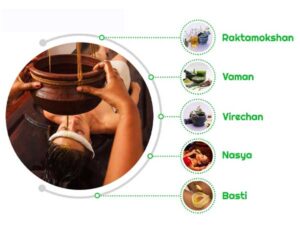
The 3 Essential Stages of Panchakarma
An authentic panchakarma therapy in Bangalore never begins with immediate purgation or enemas. A complete protocol follows three structured clinical stages:
1. Poorva Karma (Preparatory Phase)
To dislodge stubborn toxins from micro-channels (Srotas), the body must first be lubricated and softened:
- Deepana & Pachana: Herbs like Trikatu and Chitrakadi are administered to kindle digestive fire (Agni) and digest circulating Ama.
- Snehana (Internal & External Oleation): Consuming increasing doses of medicated ghee (Achha Snehapana) dissolves fat-soluble toxins, followed by synchronized full-body therapeutic oil therapies (Abhyanga).
- Swedana (Therapeutic Sudation): Medicated steam baths dilate bodily channels, directing liquefied waste straight into the alimentary canal.
2. Pradhana Karma (The 5 Primary Cleansing Actions)
Depending on your individual constitution (Prakriti), prevailing health conditions, and specific doshic imbalances, a certified physician selects from the five classical procedures:
- Vamana (Therapeutic Emesis): Induces controlled, medicated vomiting to clear excess Kapha from the stomach, lungs, and chest. Excellent for chronic asthma, sinus congestion, and psoriasis.
- Virechana (Therapeutic Purgation): Medicated cleansing of the small intestine and gallbladder to eliminate aggravated Pitta. Ideal for liver sluggishness, eczema, dermatitis, and chronic acidity.
- Basti (Medicated Herbal & Oil Enemas): The crown jewel of Panchakarma, targeting the colon, the primary seat of Vata. Basti balances nervous disorders, lumbar spondylosis, rheumatoid arthritis, and constipation.
- Nasya (Nasal Administration): Instilling medicated drops or oils through the nostrils (“the gateway to the head”) to relieve migraines, cervical issues, chronic sinusitis, and mental fog.
- Raktamokshana (Therapeutic Blood Purification): Controlled bloodletting (often utilizing sterile medicinal leeches or Jalaukavacharana) to remove localized impurities in stubborn dermatological disorders.
3. Paschat Karma (Post-Treatment Care & Rejuvenation)
Purification temporarily leaves digestive capacity delicate. The post-cleanse phase focuses on:
- Samsarjana Krama: A graduated restorative diet transitioning gently from clear rice water (Manda) to wholesome kichdi, systematically rebuilding enzymatic strength.
- Rasayana Therapy: Nourishing, adaptogenic herbal tonics that rebuild resilient immunity and regenerate cellular vitality.
Core Health Benefits of Panchakarma
Undergoing physician guided Panchakarma delivers transformative, clinically measurable benefits:
- Eliminates Deep Cellular Toxins: Flushes accumulated industrial chemicals, heavy metals, and undigested dietary byproducts from deep cellular matrices.
- Restores Metabolic & Gut Health: Cleanses the digestive tract, repairs microbiome equilibrium, and re-establishes healthy nutrient absorption.
- Strengthens Natural Immunity (Ojas): Regulates immune responses, making it effective for autoimmune flare-ups and allergy management.
- Sharpens Mental Clarity: Reduces stress hormones, calms overactive neurological circuits, improves sleep cycles, and relieves mental burnout.
- Slows Biological Aging: Enhances mitochondrial function and cellular tissue repair, promoting skin luminosity and joint elasticity.
Panchakarma Treatment Costs in Bangalore
A common question among individuals exploring holistic recovery is the investment involved. The panchakarma treatment price in bangalore varies based on clinical factors:
| Program Type | Typical Duration | Primary Focus | Estimated Range |
| Targeted Detox / Stress Care | 7 Days | General bio-reset, mild Vata-Pitta balance, Abhyanga & Shirodhara | ₹18,000 – ₹35,000 |
| Intermediate Curative Therapy | 14 Days | Management of joint pain, metabolic syndrome, or skin allergies | ₹40,000 – ₹75,000 |
| Comprehensive Classical Cleanse | 21 – 28 Days | Complete cellular reset, severe autoimmune care, paralysis, deep chronic disease | ₹80,000 – ₹1,50,000+ |
Note: The exact panchakarma treatment cost bangalore depends on whether you opt for outpatient day sessions or inpatient care, the grade and quantity of medicated classical oils required, and laboratory diagnostics.
Experience Authentic Care at Vedam Ayurveda Hospital, Bangalore
Panchakarma requires strict clinical supervision. Incorrectly performed procedures or self-administered cleansing can irritate tissues, aggravate Vata, and deplete strength.
If you are looking for authentic, customized Panchakarma treatment in Bangalore, Vedam Ayurveda Multispecialty Hospital provides NABH-aligned, classical Ayurvedic care. Led by Dr. Raviraj M, a distinguished physician and joint/skin specialist, their medical team evaluates your unique doshic baseline to build customized detox paths. Visit Vedam Ayurveda to consult seasoned experts at a premier panchakarma ayurveda hospital bangalore and begin your path to renewal.
Frequently Asked Questions (FAQs)
1. What Is Done In Panchakarma Treatment?
Panchakarma is carried out in three distinct phases: first, preparation (Poorva Karma) using internal medicated ghee consumption and external steam and herbal oil therapies to loosen toxins, second, the primary elimination therapies (Pradhana Karma), which may include therapeutic vomiting (Vamana), purgation (Virechana), medicated enemas (Basti), nasal drops (Nasya), or blood purification (Raktamokshana), and third, post-cleanse recovery (Paschat Karma) involving a phased restorative diet and rejuvenation herbs.
2. Does Panchakarma Actually Work?
Yes. Modern clinical studies validate that Panchakarma significantly lowers inflammatory markers, supports hepatic lipid clearance, reduces oxidative stress, and helps modulate autoantibodies.
By cleansing cellular receptors and resetting gut metabolism, patients experience lasting relief from chronic ailments rather than temporary symptom suppression.
3. How Much Does Panchakarma Treatment Cost In India?
Across India, basic outpatient Panchakarma wellness programs typically cost between ₹15,000 and ₹30,000 for a 7-day plan.
Intensive, hospital-based medical treatments for chronic conditions lasting 14 to 28 days generally range from ₹45,000 to ₹1,50,000, depending on the severity of the illness, room category, and the specialized herbal formulations used.
4. What Is The 28-Day Panchakarma Program?
A 28-day program represents the classical, complete cycle of deep-tissue bio-purification (Maha Shodhana).
It dedicates roughly 7 days to preparatory internal and external oleation, 7 to 10 days to primary cleansing protocols (such as series of specialized Bastis or Virechana), and the remaining 10 to 14 days to phased digestive rebuilding (Samsarjana Krama) and immunomodulatory tissue rejuvenation (Rasayana).
It is particularly recommended for long-standing autoimmune diseases, metabolic disorders, and degenerative conditions.
5. Can Anyone Undergo Panchakarma Therapies?
While Panchakarma benefits many, it is not prescribed universally. Pregnant women, individuals with acute infectious fevers, severe cardiac debility, or extreme physical emaciation are generally advised against rigorous cleansing.
A qualified Ayurvedic doctor must assess your pulse, vitality (Bala), and medical history before determining suitability.
6. Is Hospitalization Mandatory For Panchakarma?
Hospitalization is not always mandatory. Many working professionals complete mild to moderate treatments on an outpatient day care basis.
However, for intensive protocols like classical Virechana or Kala Basti cycles where strict dietary control, environmental protection from cold/wind, and mental rest are critical, inpatient admission at a specialized facility ensures optimal results.
7. What Food Should I Eat During And After Panchakarma?
During therapy, you should consume light, warm, easily digestible preparations such as mung bean soup, soft rice gruel (Peya), and steamed vegetables cooked with digestive spices like cumin, ginger, and coriander. Heavy, greasy, cold, fermented, processed, and spicy foods must be strictly avoided to safeguard the digestive fire.