
Eczema Skin Problem: What It Is, Symptoms, Causes, Types & Treatment
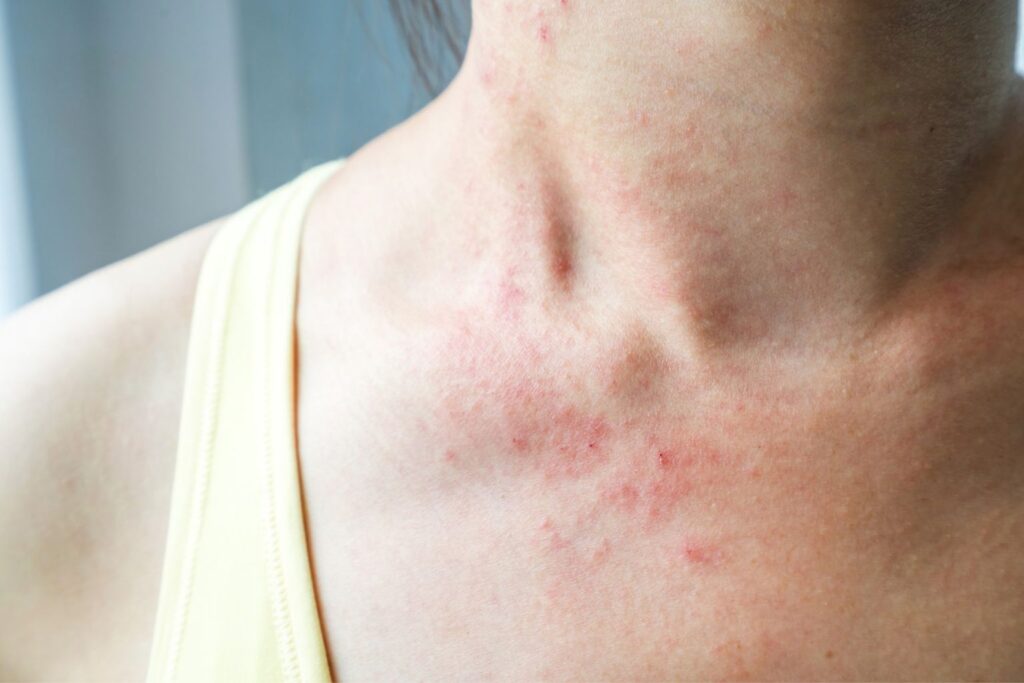
Table of Contents
Persistent skin redness, relentless itching, and dry, cracked patches can turn everyday routines into uncomfortable challenges. If you or a loved one are experiencing these symptoms, you may be dealing with eczema (dermatitis).
Eczema affects millions worldwide, often fluctuating between quiet periods and aggressive flare-ups. Below is a comprehensive guide to understanding what eczema is, identifying its triggers, and exploring conventional alongside holistic root-cause treatments like Ayurveda.
What Is Eczema?
Eczema is an umbrella term for a group of chronic, non-contagious inflammatory skin conditions characterized by dry, itchy, red, and swollen skin.
Healthy skin retains moisture and acts as a barrier against bacteria, irritants, and environmental pollutants. In skin affected by eczema, this protective barrier weakens, allowing moisture to escape and external irritants to penetrate deeply, triggering an inflammatory immune response.
In Ayurvedic medicine, eczema is commonly correlated with Vicharchika, classified under Kshudra Kushtha (minor skin disorders). It stems primarily from an imbalance of the Pitta (heat/metabolism) and Kapha (moisture/structure) doshas, which causes an accumulation of toxins (Ama) in deeper tissues like blood (Rakta) and skin (Twak).
Common Symptoms of Eczema
Eczema symptoms vary depending on the individual’s age, skin type, and specific condition. The most frequent signs include:
- Intense Itching (Kandu): Often worse at night, leading to a vicious itch-scratch cycle that damages the skin barrier further.
- Dry, Sensitive Skin: Excessive dryness, flakiness, or scaling.
- Inflamed, Red or Discolored Patches: Redness on lighter skin tones; brown, purple, or grayish tones on darker skin.
- Oozing and Crusting: Tiny raised blisters that may weep fluid and form crusts when scratched.
- Lichenification: Thickened, leathery, and cracked skin caused by chronic scratching.
- Swelling and Rawness: Sensitive, swollen skin prone to secondary bacterial infections.
What Causes Eczema?
Eczema arises from a combination of genetic, immunological, and environmental factors:
| Trigger Category | Specific Factors |
| Genetics & Barrier Defects | Family history of asthma, hay fever, or mutations in the FLG (filaggrin) gene responsible for skin barrier integrity. |
| Immune System Overactivity | An exaggerated immune response to harmless environmental substances. |
| Environmental Irritants | Synthetic soaps, harsh detergents, fragrances, wool, cigarette smoke, and pollution. |
| Allergens & Diet | Pollen, pet dander, mold, dust mites, or food triggers (dairy, nuts, gluten, highly processed foods). |
| Weather Fluctuations | Cold, dry winter air that strips moisture, or hot, humid weather causing excessive sweating. |
| Stress & Hormones | Emotional stress elevated cortisol levels, directly exacerbating skin inflammation. |
Common Types of Eczema
Understanding your specific type of eczema is essential for choosing the right management strategy:
- Atopic Dermatitis: The most widespread chronic form, frequently linked to allergies and asthma (the “atopic triad”).
- Contact Dermatitis: Triggered directly by contact with an allergen (e.g., poison ivy, nickel) or irritant (e.g., harsh bleach, solvents).
- Dyshidrotic Eczema: Characterized by small, intensely itchy blisters on the edges of fingers, palms, and soles of feet.
- Seborrheic Dermatitis: Affects oily areas such as the scalp (dandruff/cradle cap), eyebrows, and sides of the nose.
- Nummular (Discoid) Eczema: Distinct, coin-shaped spots or round sores that are scaly and itchy.
- Stasis Dermatitis: Occurs in the lower legs due to poor circulation and blood pooling in the veins.
Treatment Approaches for Eczema
Effective management focuses on calming acute inflammation, repairing the skin barrier, and preventing future recurrences.
1. Conventional Medical Management
- Topical Corticosteroids: Prescribed for short-term control of moderate-to-severe flare-ups.
- Emollients and Barrier Creams: Applied regularly to lock in hydration and rebuild the lipid mantle.
- Antihistamines: Used to minimize nocturnal itching and improve sleep quality.
- Calcineurin Inhibitors & Biologics: Targeted medications for chronic or severe cases that do not respond to topicals.
2. Holistic & Ayurvedic Root-Cause Treatment
While topical medications help control sudden flare-ups, Ayurveda focuses on internal detoxification, balancing doshic imbalances, and restoring gut and metabolic health to deliver long-term relief.
- Internal Detoxification (Panchakarma): Therapies such as Virechana (therapeutic purgation) and Raktamokshana (blood purification) help eliminate accumulated Ama (metabolic toxins) from the bloodstream and restore systemic balance.
- Herbal Formulations: Potent herbs such as Neem, Manjistha, Khadira, Turmeric, and Sariva contain natural anti-inflammatory, antimicrobial, and blood-purifying properties.
- External Therapies: Herbal pastes (Lepas), medicated oils (Taila), and herbal decoction washes (Kashaya Dhara) soothe irritated skin, reduce inflammation, and accelerate tissue repair without harsh side effects.
- Dietary Adjustments (Pathya-Apathya): Reducing sour, salty, overly spicy, and fermented foods while introducing cooling, wholesome foods to calm internal Pitta.
Looking for comprehensive care? Explore personalized, natural healing protocols with the specialized Ayurvedic treatment for eczema in Bangalore at Vedam Ayurveda, where root-cause therapies and customized herbal regimens are tailored to individual constitution and skin needs.
Practical Daily Tips to Prevent Eczema Flare-Ups
- Moisturize Frequently: Apply a fragrance-free, natural emollient immediately after bathing to seal in hydration.
- Take Short, Lukewarm Baths: Avoid long, hot showers that strip natural oils from the skin.
- Choose Soft, Breathable Fabrics: Wear 100% cotton and avoid rough wool or synthetic materials.
- Manage Stress: Incorporate gentle yoga, Pranayama (breathwork), or meditation into your daily routine.
- Use Mild Cleansers: Switch to soap-free, pH-balanced, chemical-free body washes.
When to Consult an Eczema Specialist
If your eczema causes severe sleep disruption, spreads rapidly, shows signs of bacterial infection (such as pus, yellow crusting, or heat), or fails to respond to regular moisturizing, seek a personalized evaluation from a healthcare professional or qualified Ayurvedic doctor.
Frequently Asked Questions (FAQs)
- How does Bangalore’s climate and urban environment trigger eczema flare-ups?
Bangalore’s weather ranging from dry, chilly mornings during winter to fluctuating humidity throughout the year can aggravate the Vata and Kapha doshas, rapidly stripping the skin barrier of natural lipids. Additionally, high airborne particulate levels, exposure to municipal or borewell hard water, and the stress associated with urban desk routines weaken the skin’s defense layer, leading to sudden itchiness, flaking, and inflammation.
- Can Ayurvedic treatment permanently cure eczema, or just manage it?
Conventional treatments often focus on topical symptomatic suppression using steroids or antihistamines. Ayurveda aims for long-term remission by addressing the underlying cause (Nidana Parivarjana). By eliminating deep-seated toxins (Ama) through internal purification, correcting gut digestion (Agni), and restoring balanced Pitta-Kapha levels, authentic Ayurvedic treatment significantly minimizes flare-up frequency and intensity, helping restore resilient, healthy skin naturally.
- What role does Panchakarma play in treating chronic eczema (Vicharchika)?
Panchakarma is an intensive Ayurvedic bio-cleansing protocol. For chronic or weeping eczema, specialized therapies like Virechana (therapeutic purgation) clear excess metabolic heat and toxins from the liver and bloodstream. External modalities such as Kashaya Dhara (continuous pouring of medicated decoctions) and Takradhara provide cooling relief, calm relentless itching (Kandu), and accelerate cellular healing without thinning the epidermal barrier.
- How long does it take to see visible results with Ayurvedic eczema care?
Initial improvements such as reduced itching, reduced weeping, and calmer redness are typically observed within 2 to 3 weeks of starting tailored internal herbs and medicated oils. However, achieving comprehensive skin barrier rejuvenation, cellular tissue healing, and systemic doshic balance generally requires a guided course of 3 to 6 months, depending on chronicity, previous steroid use, and compliance with dietary recommendations (Pathya).
- Where can I find personalized Ayurvedic eczema treatment in Bangalore?
For authentic, root-cause diagnosis and customized treatment protocols, consult experienced specialists at Vedam Ayurveda Multispecialty Hospital in Bangalore. Their team provides holistic care integrating classic Panchakarma therapies, blood-purifying herbal remedies, and individualized diet and lifestyle corrections designed to give sustained relief from chronic skin conditions. Learn more or book a consultation via their Ayurvedic treatment for eczema in Bangalore portal.