
Types of Psoriasis, Symptoms & Early Signs of Psoriasis
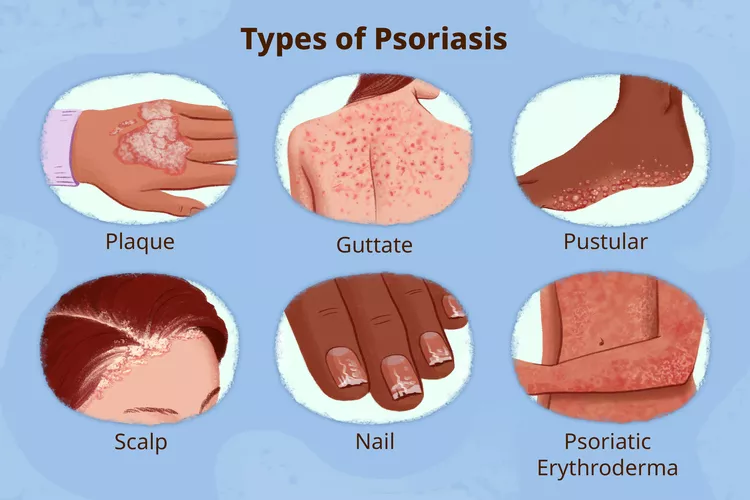
Table of Contents
Types of Psoriasis, Symptoms & Early Signs of Psoriasis
Psoriasis is now recognised as a chronic immune-mediated inflammatory disease, meaning the immune system plays a central role in its development. Unlike infectious skin conditions, psoriasis is not caused by bacteria, viruses, fungi, or poor hygiene, and it cannot spread from one person to another through physical contact.
In healthy skin, new skin cells develop gradually and replace older cells approximately every 28 days. In people with psoriasis, this process becomes significantly accelerated, with new skin cells reaching the surface in just a few days. Because the body cannot shed these cells quickly enough, they accumulate and form the characteristic plaques associated with psoriasis.
The condition usually develops because several contributing factors act together rather than a single cause.
Identifying the type of psoriasis is essential for selecting the most suitable treatment approach. At Vedam Ayurveda Hospital
Bangalore, our Ayurvedic doctors perform a detailed assessment of your symptoms, medical history, body constitution (Prakriti), dosha imbalance, and lifestyle before recommending a personalised treatment plan. visit our hospital in Bangalore for holistic Ayurvedic psoriasis care.
Types of Psoriasis
1. Plaque Psoriasis (Psoriasis Vulgaris)
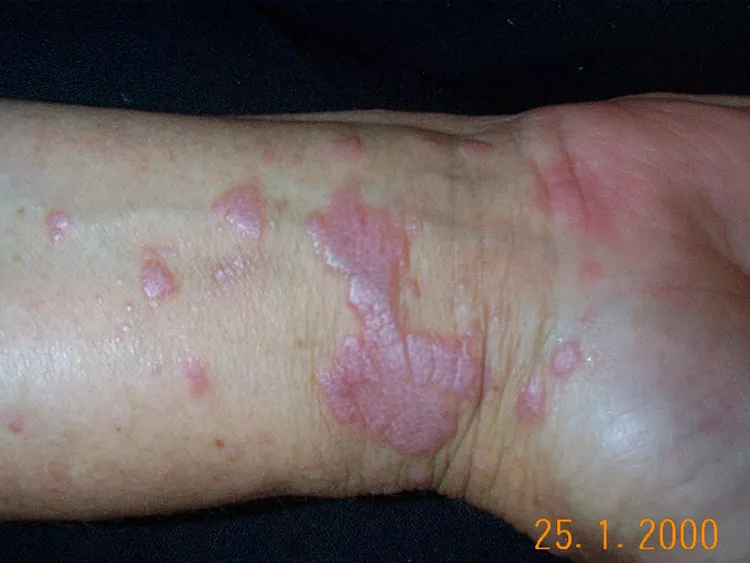
Plaque Psoriasis is the most common form of psoriasis, accounting for nearly 80–90% of all diagnosed cases. It appears as thick, raised, red patches of skin covered with silvery-white scales. These plaques most commonly develop on pressure-bearing areas such as the elbows, knees, scalp, and lower back, although they may occur anywhere on the body.
The affected skin may become itchy, painful, dry, and cracked. In some individuals, scratching the plaques may lead to bleeding or secondary irritation. Flare-ups are often associated with emotional stress, infections, seasonal weather changes, skin injuries, or unhealthy lifestyle habits.
Common Symptoms
- Thick red plaques
- Silvery-white scales
- Persistent itching
- Dry and cracked skin
- Burning sensation
- Mild bleeding
- Skin tightness
Commonly Affected Areas
- Elbows
- Knees
- Lower back
- Scalp
- Hands
- Feet
If you experience persistent plaque-like skin lesions, consult an experienced Ayurvedic doctor for psoriasis in Bangalore. Early diagnosis helps determine the severity of the condition and supports long-term management.
Internal Link: Ayurvedic Treatment for Plaque Psoriasis
Scalp Psoriasis
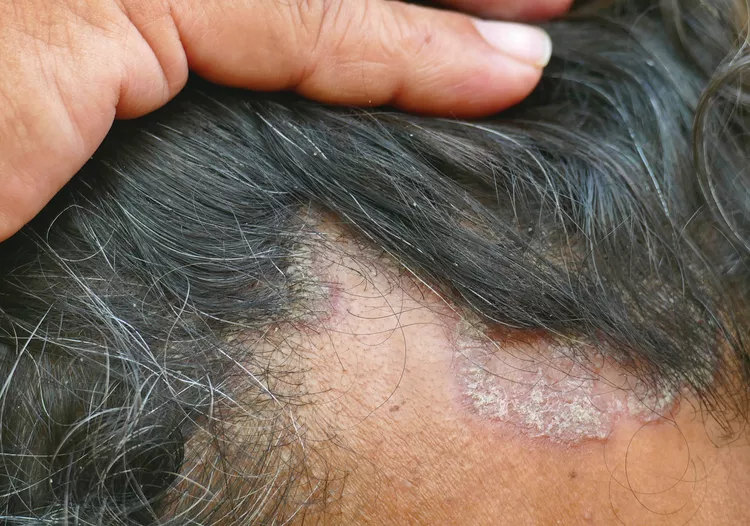
Scalp psoriasis affects the scalp and may extend beyond the hairline to the forehead, neck, or behind the ears. It is often mistaken for dandruff because both conditions cause flaking. However, psoriasis produces thicker, drier scales along with noticeable redness and inflammation.
Persistent scratching can worsen irritation and may temporarily increase hair shedding due to scalp inflammation. Stress, inadequate scalp care, cold weather, and immune imbalance can contribute to flare-ups.
Symptoms
- Thick scalp scales
- Persistent itching
- Red inflamed patches
- Dry scalp
- Temporary hair shedding
- Burning sensation
Many people searching for Ayurvedic Scalp Psoriasis Treatment in Bangalore initially assume they have severe dandruff. A professional evaluation helps distinguish psoriasis from other scalp conditions and ensures timely treatment.
Internal Link: Ayurvedic Treatment for Scalp Psoriasis
Nail Psoriasis
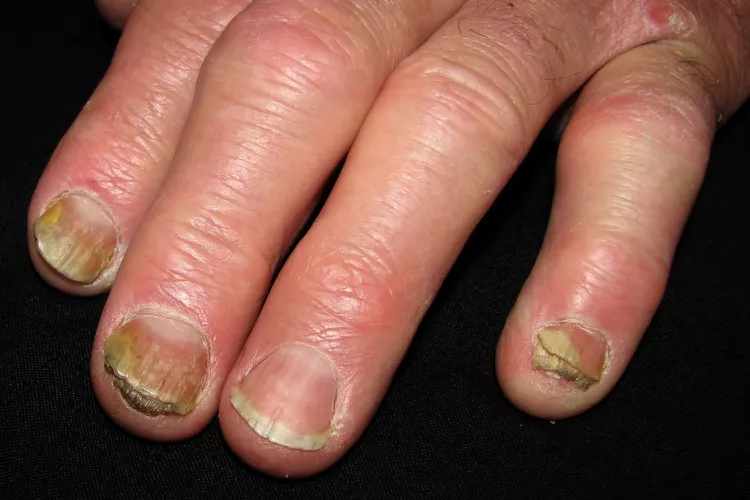
Nail psoriasis affects the fingernails, toenails, or both. The condition often develops gradually and is frequently mistaken for a fungal nail infection. In addition to cosmetic concerns, nail psoriasis may interfere with daily activities such as writing, typing, or walking.
The nails may become pitted, thickened, brittle, discoloured, or separate from the nail bed. Nail involvement is also commonly associated with Psoriatic Arthritis, making early diagnosis particularly important.
Common Signs
- Nail pitting
- Yellow or brown
discoloration - Thickened nails
- Crumbling nails
- Nail lifting
- Nail deformity
Since nail psoriasis closely resembles fungal infections, patients should seek evaluation from an experienced psoriasis specialist or Ayurvedic
physician in Bangalore for an accurate diagnosis.
Internal Link: Ayurvedic Treatment for Nail Psoriasis
Guttate Psoriasis
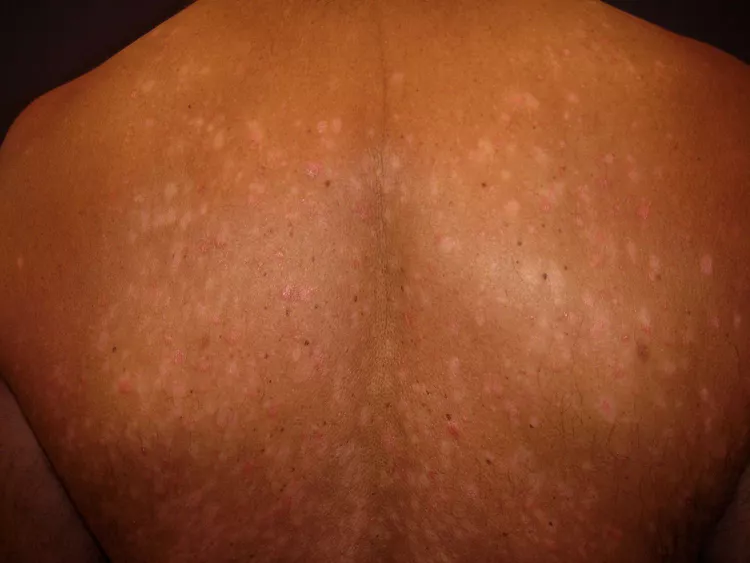
Guttate psoriasis usually develops suddenly, particularly after bacterial throat infections such as streptococcal pharyngitis. It commonly affects children, teenagers, and young adults and appears as numerous small, drop-shaped red lesions scattered across
the trunk, arms, and legs.
Although the lesions are generally smaller than plaque psoriasis, early diagnosis is essential to prevent progression and determine the most appropriate treatment strategy.
Symptoms
- Small red spots
- Fine scales
- Rapid onset
- Mild itching
- Widespread skin involvement
If these symptoms appear after a recent throat infection, consult a qualified healthcare professional or Ayurvedic psoriasis specialist in Bangalore for timely evaluation.
Internal Link: Ayurvedic Treatment for Guttate Psoriasis
Inverse Psoriasis
Inverse psoriasis develops within skin folds where moisture and friction are common, making it different from other forms of psoriasis. Instead of thick scaling, the affected skin usually appears smooth, shiny, bright red, and inflamed.
Because constant rubbing and sweating can worsen symptoms, proper diagnosis and management are important.
Common Locations
- Armpits
- Groin
- Under the breasts
- Between the buttocks
- Around the genital area
Many people confuse inverse psoriasis with fungal infections or skin allergies. An experienced Ayurvedic physician can help identify the underlying condition and recommend an appropriate treatment plan.
Pustular Psoriasis
Pustular psoriasis is a rare but serious form characterised by sterile, pus-filled blisters surrounded by inflamed skin. It may remain localised to the palms and soles or spread to larger areas of the body.
Symptoms
- White pustules
- Red inflamed skin
- Pain and tenderness
- Fever (in severe cases)
- Chills
- Fatigue
Because pustular psoriasis can become severe, immediate medical evaluation isrecommended.
Erythrodermic Psoriasis
Erythrodermic psoriasis is the rarest and most severe type of psoriasis. It causes widespread redness, intense inflammation, and peeling over large areas of the body.
This condition may interfere with the body’s ability to regulate temperature and maintain proper fluid balance, making it a medical emergency.
Symptoms
- Widespread redness
- Extensive skin peeling
- Severe itching
- Swelling
- Fever
- Chills
- Rapid heart rate
Individuals experiencing these symptoms should seek immediate medical attention rather than attempting self-treatment.
Comparison of Different Types of Psoriasis
| Type | Commonly Affected Areas | Appearance | Severity |
| Plaque Psoriasis | Elbows, knees, scalp, lower back | Thick red plaques with silvery scales | Mild to Severe |
| Scalp Psoriasis | Scalp | Thick scaling with redness | Mild to Severe |
| Nail Psoriasis | Fingernails and toenails | Pitting, thickening, discoloration | Mild to Moderate |
| Guttate Psoriasis | Trunk, arms, legs | Small drop-like red lesions | Mild to Moderate |
| Inverse Psoriasis | Skin folds | Smooth, shiny red patches | Mild to Moderate |
| Pustular Psoriasis | Hands, feet or widespread | Pus-filled blisters | Moderate to Severe |
| Erythrodermic Psoriasis | Entire body | Extensive redness and peeling | Severe (Medical Emergency) |
Early Signs of Psoriasis
Recognising the early signs of psoriasis is essential for timely diagnosis and effective long-term management. In the initial stages, psoriasis symptoms can resemble eczema, fungal infections, dandruff, or dermatitis, making professional evaluation important. Early
diagnosis not only helps determine the type of psoriasis but also enables patients to begin appropriate treatment before the condition progresses.
People living in Bangalore who notice persistent skin irritation, recurring red patches, or unusual scaling should consult an experienced
dermatologist or Ayurvedic physician for an accurate diagnosis. Early intervention often helps reduce flare-ups, improve symptom
management, and prevent complications associated with chronic psoriasis.
Common Early Signs of Psoriasis
- Small red or pink patches on the
skin - Dry, rough skin that does not
improve with regular
moisturisers - Mild to persistent itching or
burning sensation - Fine silvery-white scaling on
affected areas - Thickened skin over the elbows,
knees, or scalp - Persistent scalp flaking that
resembles severe dandruff - Tiny pits or dents in the
fingernails or toenails - Cracks in dry skin that may
occasionally bleed - New skin lesions appearing after
cuts, burns, or scratches
(Koebner Phenomenon) - Skin patches that improve
temporarily but repeatedly
return
Although these symptoms may initially seem mild, they should not be ignored. If left untreated, psoriasis may gradually spread to larger areas of the body or become more severe. Patients searching for Ayurvedic treatment for psoriasis in Bangalore should seek early consultation to receive a personalised treatment plan based on their symptoms and overall health.
Symptoms of Psoriasis
Psoriasis symptoms vary from person to person depending on the type of psoriasis, severity of the disease, and the body areas involved. Some individuals may develop only a few small patches, while others experience widespread skin inflammation affecting multiple parts of the body. Understanding these symptoms helps patients seek timely medical attention and receive the most appropriate treatment.
Skin Symptoms
The most common skin-related symptoms of psoriasis include:
- Raised red or inflamed patches of
skin - Thick silvery-white scales
- Dry, rough, or cracked skin
- Bleeding from deep skin
fissures - Persistent itching
- Burning or stinging
sensation - Painful plaques that may interfere
with daily activities
These symptoms often worsen during periods of stress, infections, cold weather, or
after
skin injuries.
Scalp Symptoms
Scalp psoriasis is one of the most frequently diagnosed forms of psoriasis and is
often
confused with severe dandruff. However, unlike dandruff, psoriasis produces thick scales and inflamed
skin.
Common scalp symptoms include:
- Heavy scalp flaking
- Thick white or silvery
scales - Persistent itching
- Red patches beneath the hair
- Dry scalp
- Temporary hair shedding caused by
inflammation or excessive
scratching
Patients experiencing persistent scalp symptoms should consult a qualified psoriasis
specialist or Ayurvedic doctor in Bangalore for an accurate
diagnosis
and personalised treatment.
Nail Symptoms
Psoriasis can also affect the fingernails and toenails, often causing noticeable
structural changes that are commonly mistaken for fungal nail infections.
Common nail symptoms include:
- Nail pitting
- Thickened nails
- Yellow, brown, or white
discoloration - Nail lifting (Onycholysis)
- Brittle or crumbling nails
- Distorted nail shape
Early treatment may help manage symptoms and reduce the impact on daily
activities.
Joint Symptoms (Possible Psoriatic Arthritis)
Approximately one in three people with psoriasis may eventually develop
Psoriatic Arthritis, an inflammatory condition affecting the joints.
Recognising these symptoms early is important because delayed treatment may increase the risk of long-term joint
damage.
Joint-related symptoms include:
- Persistent joint pain
- Morning stiffness
- Swelling of fingers or toes
- Reduced range of movement
- Heel pain
- Tendon or ligament
discomfort
Anyone experiencing joint pain alongside psoriasis should seek prompt medical
evaluation. At Vedam Ayurveda Hospital, Bangalore, patients
undergo a
comprehensive assessment to determine whether joint involvement requires an integrated treatment
approach.
How is Psoriasis Classified by Severity?
The severity of psoriasis is generally classified based on the percentage of
Body Surface Area (BSA) affected, symptom intensity, and its impact on
a
person’s daily activities and quality of life. This classification helps healthcare professionals determine the
most
appropriate treatment strategy.
| Severity | Body Surface Area (BSA) | Clinical Features |
| Mild | Less than 3% | Limited plaques with manageable symptoms |
| Moderate | 3–10% | More widespread skin involvement affecting daily comfort |
| Severe | More than 10% | Extensive psoriasis or involvement of sensitive areas such as the face, scalp, hands, feet, nails, or genitals |
It is important to understand that psoriasis affecting a relatively small area may
still
be considered severe if it involves highly sensitive or
functionally
important regions such as the scalp, hands, feet, nails, or joints. These areas can significantly affect
mobility,
work, social interactions, and overall quality of life.
Regardless of whether psoriasis is mild, moderate, or severe, early diagnosis and a
personalised treatment plan remain the key to effective long-term management. At Vedam Ayurveda Multispecialty Hospital, Bangalore, every patient receives a detailed Ayurvedic evaluation that considers body
constitution
(Prakriti), dosha imbalance, lifestyle factors, digestive health, and disease severity before recommending an
individualised treatment plan.
Patients from in Bangalore regularly consult
our
experienced Ayurvedic doctors for holistic
psoriasis management. Through personalised herbal medicines,
Panchakarma therapies (when indicated), dietary guidance, and lifestyle modifications, our goal is to support
long-term skin health and improve overall quality of life.
Key Takeaway
Understanding the types, symptoms, early signs, and severity of psoriasis is the first step toward effective treatment and long-term disease management. Since psoriasis can present differently in every individual, early diagnosis and a personalised treatment approach are essential.
If you notice recurring red patches, persistent scaling, severe itching, scalp flaking, nail changes, or joint pain, avoid self-diagnosis. Consult an experienced psoriasis specialist or Ayurvedic physician to receive a comprehensive evaluation and a treatment plan tailored to your condition. Early intervention, healthy lifestyle choices, and regular follow-up can help improve symptom control and support long-term skin wellness.